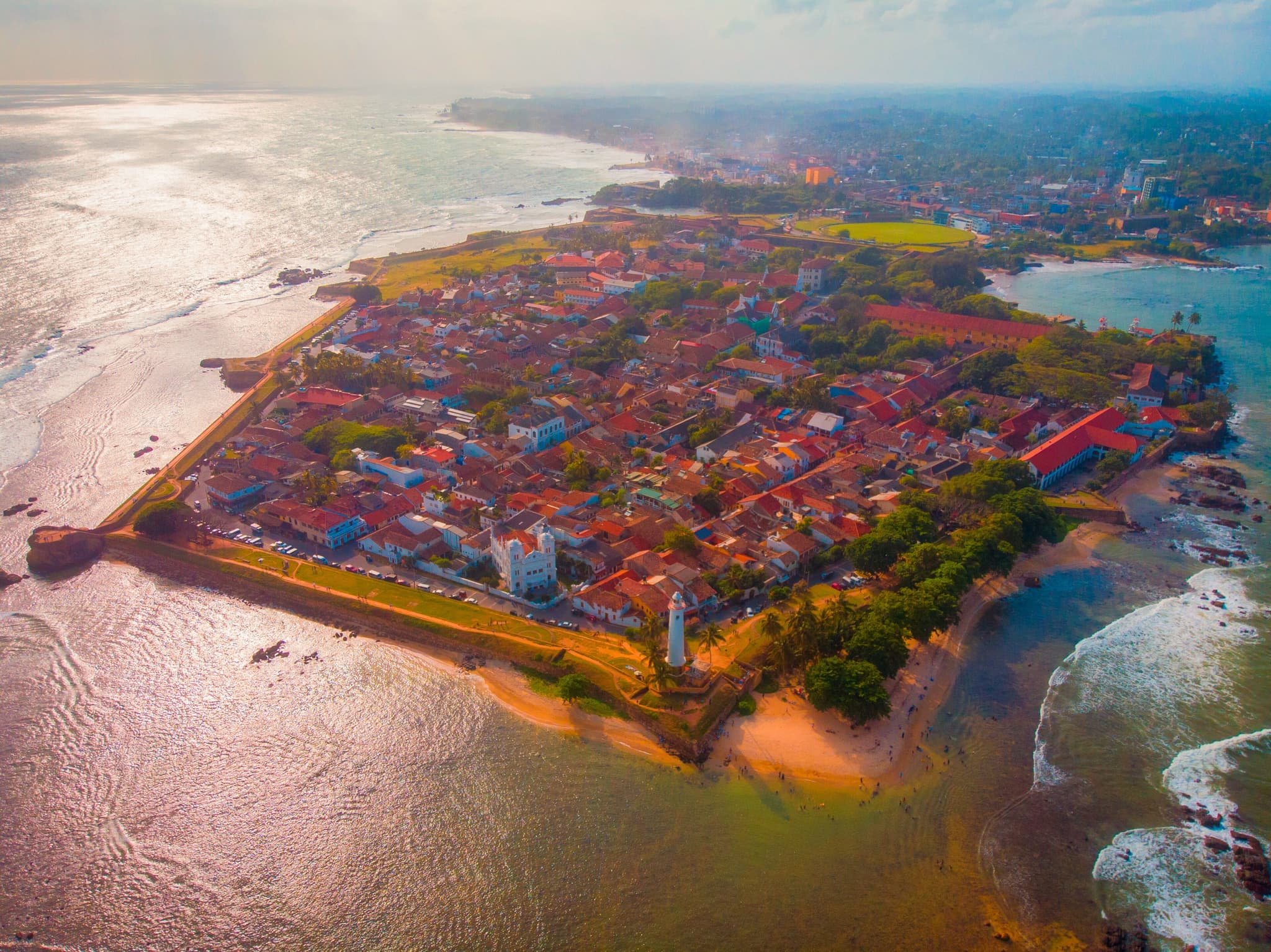
Galle Dutch Fort
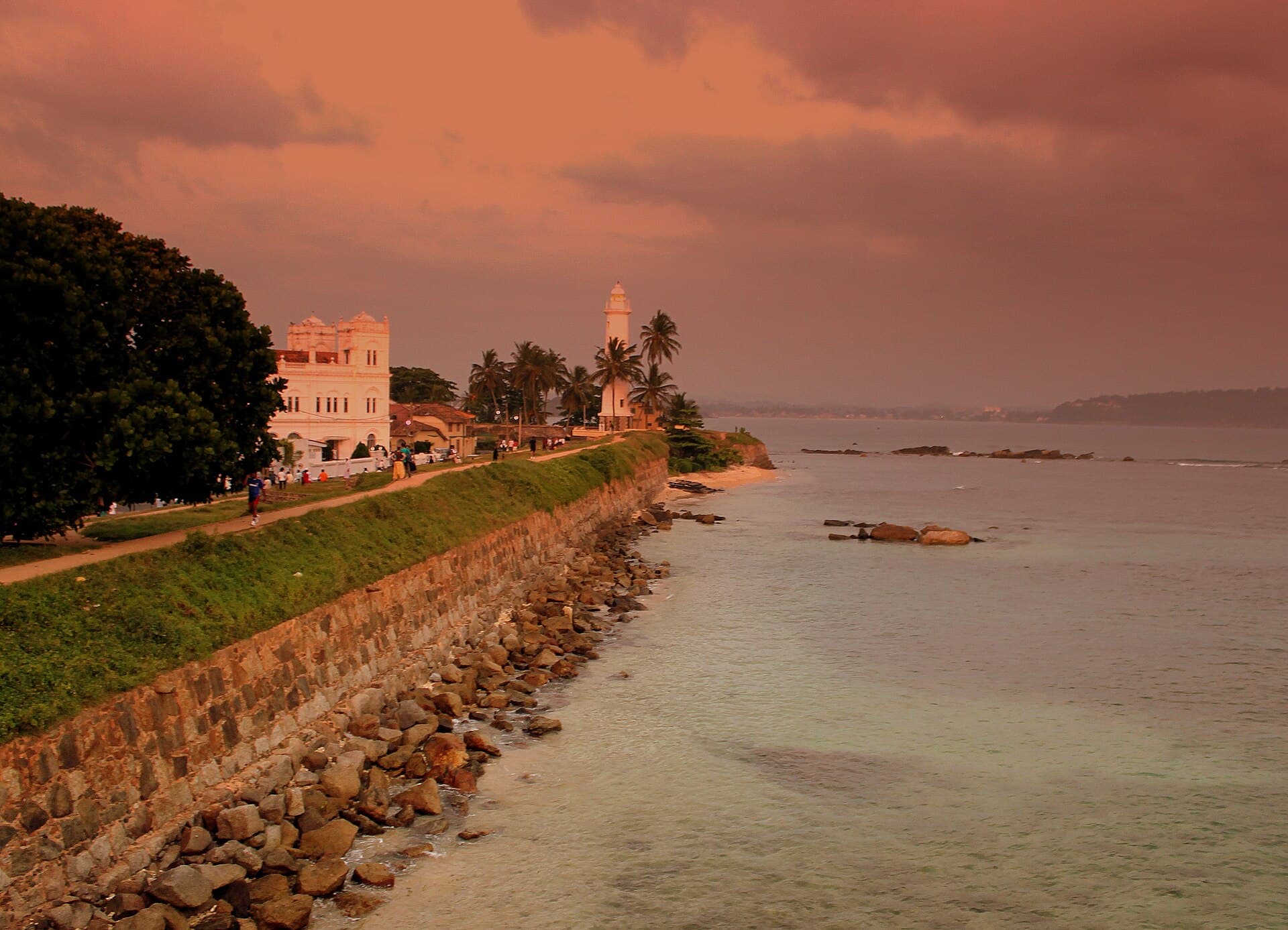
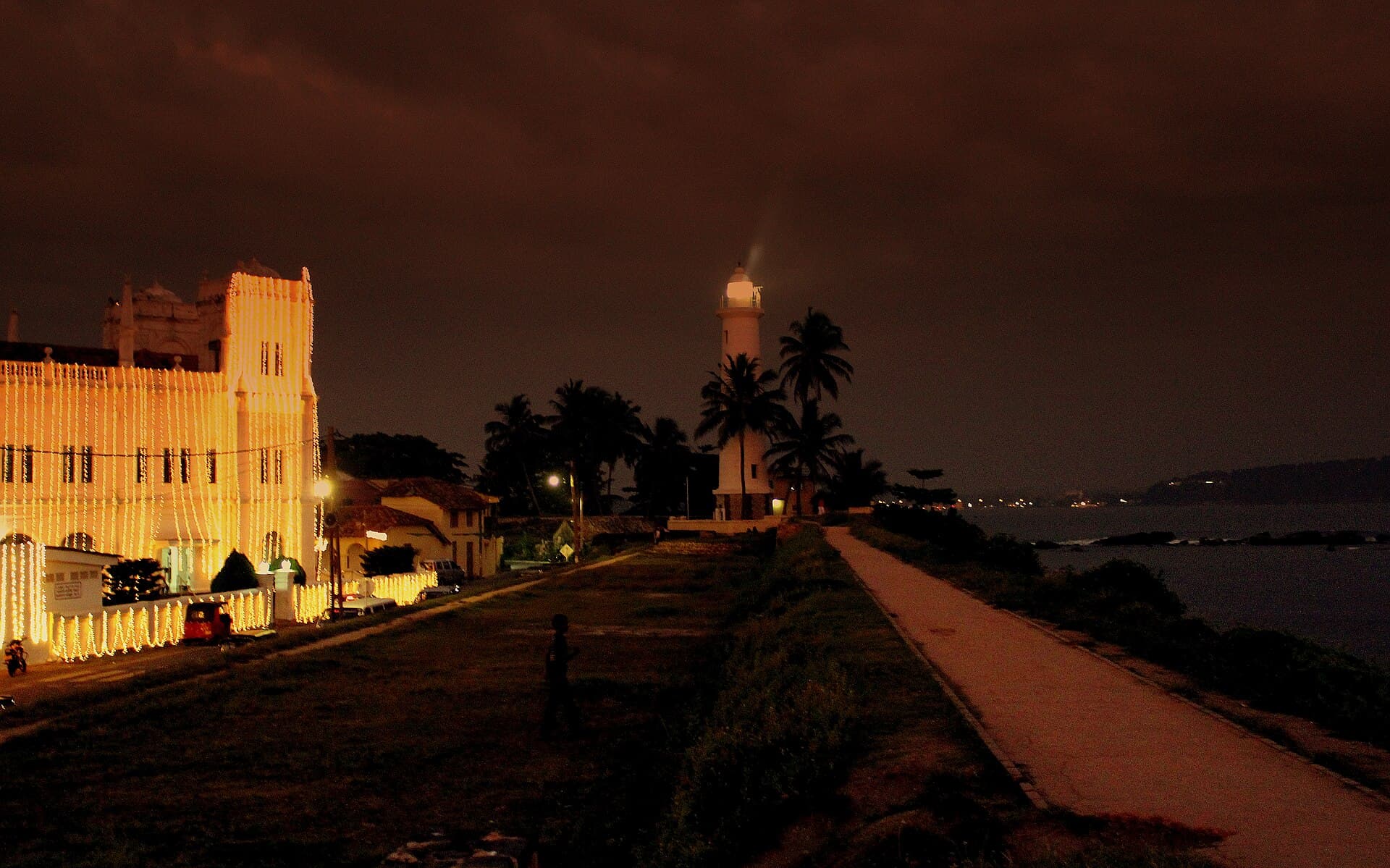
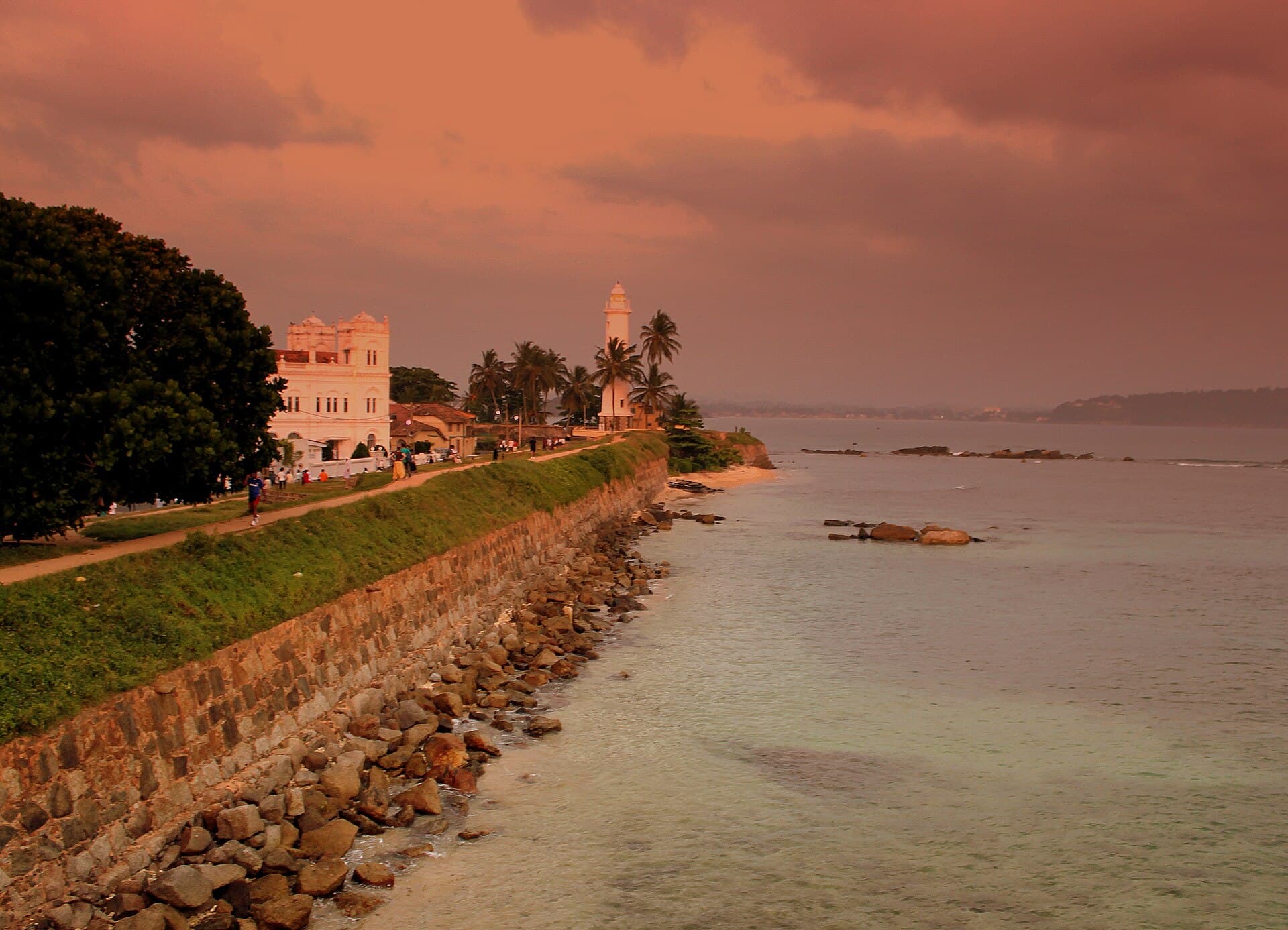
The Galle Dutch Fort is a monumental, 90-acre UNESCO World Heritage Site that stands as the most exceptionally preserved European fortified city in all of South and Southeast Asia. First constructed as a rudimentary earthwork fort by the Portuguese in 1588, the fortification was completely re-engineered by the Dutch East India Company (VOC) after they captured the city in 1640. The Dutch constructed a massive, impenetrable wall of solid coral and granite blocks, featuring fourteen distinct bastions designed to withstand both heavy artillery fire from rival European navies and the rough swells of the ocean. A walk through the fort is an immersion into colonial history. The thick perimeter walls, which successfully protected the internal town from the devastating 2004 Indian Ocean tsunami, feature popular walking paths that come alive at sunset. Visitors can explore key historic entryways like the Old Gate, which still features the carved coat of arms of the Dutch East India Company on its inner facade and the British Royal Coat of Arms on the outer side. Inside the fort, the streets are lined with historic landmarks, including the Groote Kerk (Dutch Reformed Church), built in 1755 with a floor paved with old gravestones, and the massive All Saints' Anglican Church. The former Dutch Government House has been transformed into a museum, while the sprawling Old Dutch Hospital complex has been repurposed into a lively beachfront dining and shopping hub. The fort seamlessly bridges the gap between historical monument and active neighborhood, offering hours of exploration across its historic streets.